Executive Overview
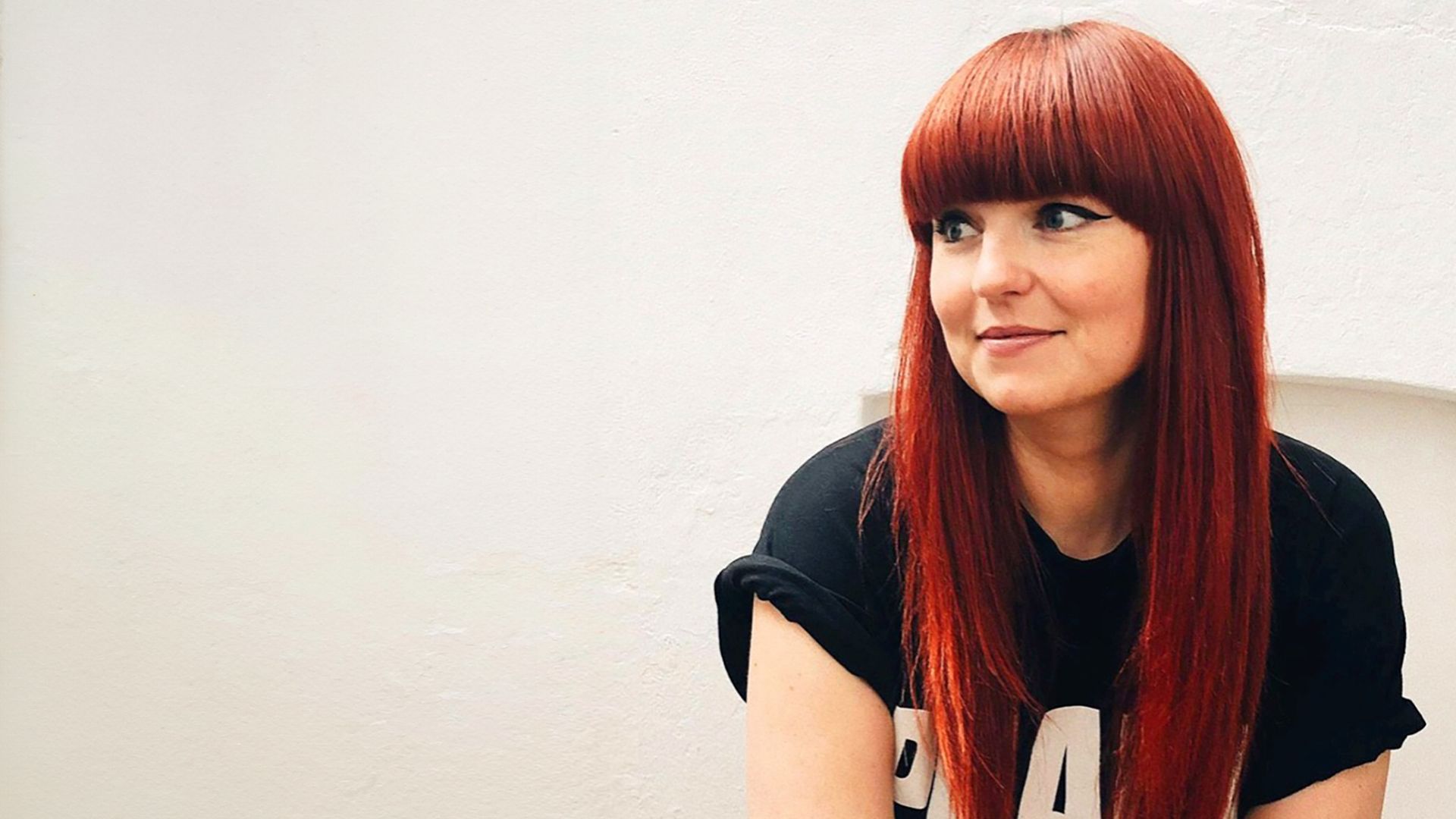
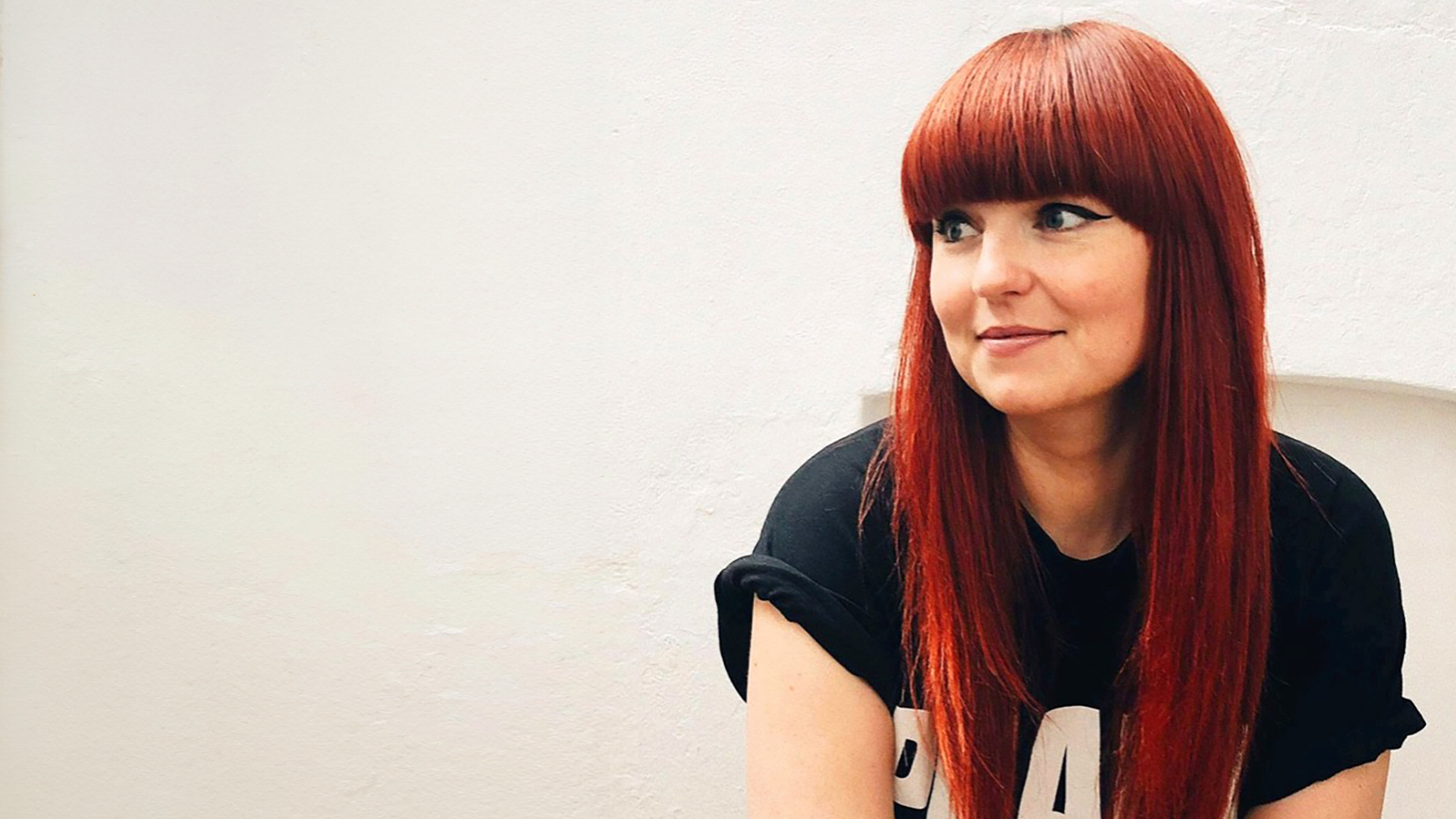
In the fast-paced, ever-evolving landscape of global branding and strategic design, few voices carry the depth of experience and cross-industry perspective of Chloé Templeman. As the Executive Creative Director at Pearlfisher—a globally renowned, strategy-first brand design agency celebrated for forging irresistible human connections—Templeman stands at the forefront of modern visual culture. Hailing originally from Scotland, her impressive 17-year tenure across London’s premier creative agencies has seen her shape the visual identities of monumental household names, including Fortnum & Mason, Diageo, and Unilever.
Beyond her day-to-day role steering world-class visual narratives, Templeman is a dedicated mentor committed to cultivating the next wave of design talent, with a particular focus on championing women stepping into leadership roles within the creative sector.
In this comprehensive profile, drawn from an exclusive interview as part of the industry-favorite 5 Questions series, Templeman pulls back the curtain on the realities of high-level creative direction. She addresses the paradoxical allure of "so-bad-it’s-good" design trends, unpacks the crippling realities of career imposter syndrome, delivers a stark warning regarding the algorithmic perils of artificial intelligence in creative feedback loops, and reflects on the relentless, 24/7 lifestyle inherent to the true creative mindset.
Detailed Chronology & Industry Evolution: From MS Paint to Global Boardrooms
To understand Chloé Templeman’s philosophy on modern branding, one must first look at the trajectory of her career and the generational shifts in design culture she has witnessed over nearly two decades.
Starting her professional journey in the high-stakes environment of London’s top-tier agencies, Templeman cut her teeth during an era defined by a transition from traditional analog craftsmanship to heavily structured digital execution. Working alongside major global entities—spanning luxury retail institutions like Fortnum & Mason, beverage goliaths like Diageo, and fast-moving consumer goods giants like Unilever—she developed an acute understanding of how brand architecture must evolve to capture shifting consumer psychologies.
However, her appreciation for design does not begin and end with polished corporate guidelines. In discussing current visual movements, Templeman points to a fascinating cultural regression: the resurgence of intentional "anti-design." Reminiscing about her early exposure to digital creation, she draws a direct line from the clunky interfaces of early-nineties computing to contemporary graphic revivals:
"It is an unapologetic revival of lo-fi graphics with delightfully cringeworthy clip art that transports me straight back to the early nineties and being ten years old, blindly tinkering on MS Paint."
This evolution from the raw, accidental limitations of early digital tools to today’s deliberate, ironic subversion of design rules highlights a broader industry truth: design is cyclical, and the appetite for perfection is frequently interrupted by a hunger for chaos, nostalgia, and raw humanity.
Supporting Context & Metrics: The Human Element in an Algorithmic Age
The design landscape of the 2020s is fundamentally different from the one Templeman entered 17 years ago. Today, the industry faces an unprecedented existential and operational challenge: the rise of generative artificial intelligence and automated feedback systems.
While many corporate entities rush to integrate AI into every facet of the creative pipeline, Templeman issues a sharp critique regarding its application in the creative evaluation process. Her perspective is rooted in a deep-seated belief that human instinct and emotional resonance cannot be synthesized by code.
The Dangers of AI-Driven Feedback
According to Templeman, utilizing artificial intelligence to evaluate or offer feedback on creative work represents a dangerous slippery slope.
- Lack of Context: Algorithms operate in a vacuum; they do not understand the nuanced brief, the cultural context, or the precise socio-economic problem a design team is attempting to solve.
- The Death of Bravery: AI models are, by definition, trained on historical data—they mirror what has already been done. Asking an algorithm for its opinion on a disruptive, status-quo-challenging concept is, in Templeman’s view, the fastest route to risk aversion and mediocrity.
- Erosion of Agency: Relying on bots to validate creative direction strips human stakeholders of their decision-making power, sidelining vital gut instincts built on years of lived experience.
While she concedes that AI can be a useful tool for condensing or sharpening opinions after a human-led vision has been formed, she maintains that the moment decision-making is outsourced to a machine, the integrity of the work collapses.
+------------------------------------------------------------+
|                  THE CREATIVE FEEDBACK LOOP                |
+------------------------------------------------------------+
|  Human Instinct + Lived Experience -> Brave, Disruptive Art  |
|  Algorithmic Input / AI-Assisted Review -> Safe, Homogenized |
+------------------------------------------------------------+
Official Insights & Personal Reflections: Conquering Imposter Syndrome
Leadership in the creative industries comes with psychological hurdles that are rarely discussed in corporate annual reports. For Templeman, the most profound test of professional resilience arrived not from a difficult client or a failed campaign, but from within.
When she achieved her long-sought-after promotion to Creative Director, rather than experiencing unbridled elation, she was struck by severe imposter syndrome. Looking around the boardroom at her peers—many of whom had previously held the position of her boss—she questioned her right to occupy the space.
"I looked at the other directors around me… and felt like I didn’t quite measure up to their brilliance. I didn’t operate the same way they did, and I was secretly convinced I shouldn’t be in the role."
The Turning Point
The breakthrough came during a high-stakes agency pitch. By trusting her unique instincts, steering clear of trying to emulate her predecessors, and winning the account, Templeman realized a fundamental truth about creative leadership: diversity of thought is an operational necessity.
Her experience dismantles the myth of the monolithic creative director archetype. An agency boardroom does not need clones; it requires a mosaic of distinct personalities, unconventional approaches, and varied emotional intelligences to build a fully rounded, dynamic team.
Future Outlook: Creativity as a Lifestyle, Not a 9-to-5
As the creative industries look toward the future, the boundary between professional output and personal existence continues to blur. Addressing common misconceptions about her role, Templeman highlights a reality that every career artist and designer understands intimately: creativity cannot be switched off at the end of the business day.
"You don’t just shut your laptop and switch your brain off at 5:30 PM like other jobs. Creativity isn’t a job you clock out of; it’s a lifestyle."
This 24/7 creative pulse means that inspiration is continuously harvested from the most mundane or unexpected corners of daily life. For Templeman, this is not a burden, but a deeply ingrained passion that fuels her unending drive to push boundaries.
Defining Legacy: Gaisgeil
When asked to summarize her professional ethos and personal identity into a single word, Templeman bypasses conventional corporate terminology in favor of the rich, empowering Scottish Gaelic word Gaisgeil.
Signifying someone who is fiercely capable, brave, and driven by an unwavering, passionate determination to achieve a goal, Gaisgeil encapsulates the very essence of Chloé Templeman’s career: a fearless dedication to authentic human connection, disruptive design, and unapologetic self-expression in a world increasingly tempted to play it safe.