Executive Overview
In the rapidly shifting landscape of web development, few platforms have remained as consistent and influential as CSS-Tricks. For years, the What’s !important column has served as the industry’s pulse, filtering the noise of the web to deliver essential updates to front-end developers. Today, we mark a significant transition point in the site’s history. The current iteration of What’s !important on CSS-Tricks.com will conclude its run, but this is far from a disappearance. Instead, the editorial team is embarking on a strategic pivot, re-launching the brand as an expanded, curated email newsletter set to debut on November 10th. This shift represents a broader trend in professional content consumption: a move away from the fragmented nature of web browsing toward high-signal, community-centric delivery.
Detailed Chronology: From Blog to Curated Digest
The history of CSS-Tricks is a study in adaptability. After a four-year hiatus that left a noticeable void in the developer community, the platform’s recent revitalization—marked by new ownership and a renewed editorial focus—has reignited interest in the brand’s core mission.
The decision to sunset the on-site What’s !important column was not made lightly. According to editorial leads, the goal is to reclaim the "hand-written and hand-curated" experience that the early days of blogging offered, but with the delivery mechanisms of the modern era. The timeline is as follows:

- Late October 2026: Official announcement of the sunsetting of the on-site column.
- November 10, 2026: The official launch of the new CSS-Tricks newsletter.
- Post-November 2026: A transition to a subscriber-first model where in-depth editorial content, exclusive links, and developer insights are delivered directly to the reader’s inbox.
Supporting Context: The Cutting Edge of Web Development
While the delivery method is changing, the commitment to highlighting cutting-edge web technology remains steadfast. The final installment of the column serves as a "greatest hits" of recent developments that define the current state of the front-end.
The "Scroll" Revolution
One of the most visually striking developments in modern web design is the evolution of scroll-based interaction. The Rockstar Games website for GTA 6 has become a focal point of this discussion. While some have criticized its browser compatibility, the technical implementation of its scroll effects has set a new benchmark for developers. Educational resources, such as Kevin Powell’s deep-dive walkthroughs, are essential viewing for developers looking to replicate these high-fidelity experiences. Similarly, the concept of "Scrollspy"—a navigation pattern that highlights a user’s current position on a page—has been modernized through new CSS techniques, as demonstrated by Mojtaba Seyedi.
The Power of random() and Playful Imperfection
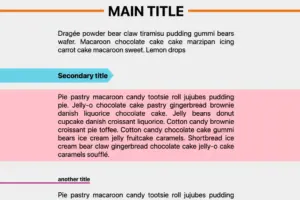
The introduction of the random() CSS function marks a departure from static, predictable design. As showcased by experts like Brecht De Ruyte, this function allows for a level of "playful imperfection" that previously required complex JavaScript. By injecting randomized values directly into CSS properties, developers can create organic, evolving layouts that feel more natural and less like a rigid grid.
Designing for 2026: Icons and Accessibility
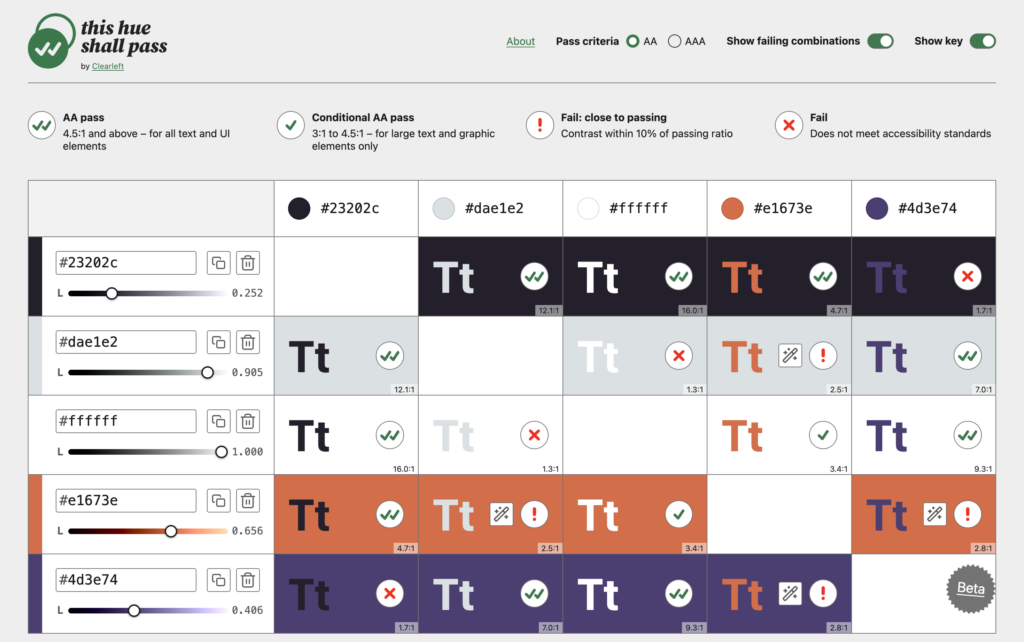
Lea Verou’s recent discourse on the future of icon implementation highlights a shift toward more robust, native CSS features. The industry is moving away from bloated icon fonts and toward a future that includes ident(), @mixin, @apply, and the powerful @property shorthand. Simultaneously, accessibility continues to be a primary driver of innovation. The introduction of tools like This hue shall pass—a color contrast checker that allows for precise, iterative adjustments—is a testament to the industry’s commitment to making the web inclusive by design.
Structural Improvements: ::* and Beyond
The proposal by Kilian Valkhof for a universal pseudo-element selector (::*) addresses a long-standing frustration in CSS. Currently, the * selector ignores pseudo-elements, necessitating tedious repetition in global resets. A ::* selector would simplify the management of complex elements like ::backdrop and ::details-content, reflecting the reality that modern web components have become significantly more complex.
Official Statements and Technical Insights
The shift in strategy is deeply rooted in the need for better design systems. Declan Chidlow has noted that features like text-box, sibling-index(), and @scope are not just "nice-to-haves"—they are essential for developers building scalable design systems.
Perhaps most exciting is the move toward advanced gradient control. The industry is currently exploring:
- Mesh Gradients: Allowing for complex, multi-point color interpolation.
- Freeform Gradients: Providing spatial control over color transitions, moving beyond the linear/radial limitations that have defined CSS for decades.
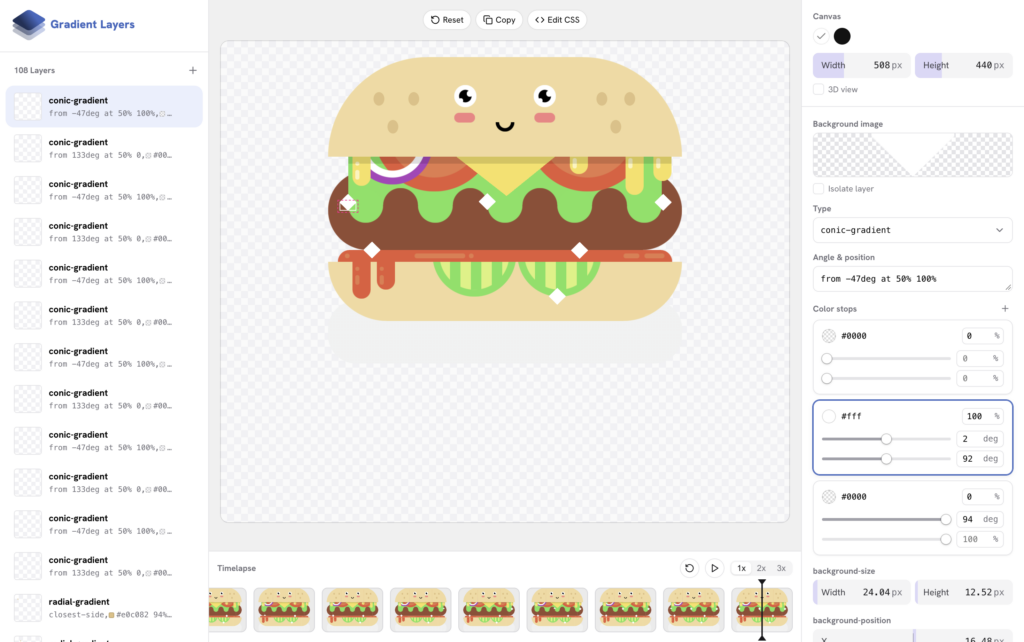
These features, currently under development in W3C drafts, promise to replace thousands of lines of convoluted SVG or canvas-based code with simple, native CSS declarations. As Ahmad Shadeed’s Gradient Layers tool demonstrates, the future of CSS is as much about the tools that help us write it as it is about the browser engines that render it.
Future Outlook: A Newsletter-Centric Ecosystem
The transition to the CSS-Tricks newsletter is a calculated move to reclaim the attention of a distracted audience. By moving to a subscription-based model, the platform aims to provide:

- Editorial Integrity: A space free from the algorithmic pressures of social media.
- Community Engagement: Direct dialogue with readers, allowing for a more intimate and tailored content delivery.
- Sustainability: With the support of sponsors and a dedicated subscriber base, the brand can focus on high-quality, long-form content that benefits the professional developer.
As we look toward the launch on November 10th, the mandate for the reader is clear: the era of simply refreshing a homepage is ending. The future of CSS-Tricks—and indeed, the future of high-quality technical journalism—is arriving in your inbox. For those who have relied on the site to stay current with the breakneck speed of the web platform, this new chapter promises to be more substantive, more personal, and more essential than ever before.
The "final" issue of the current format is a nostalgic tip of the hat to the past, but the energy behind the upcoming newsletter is clearly directed at the future. From ::* selectors to complex mesh gradients, the next generation of web development is complex and promising. The team at CSS-Tricks is positioning itself not just to report on these changes, but to guide the community through them. Join the list, stay informed, and prepare for the next phase of the web.